
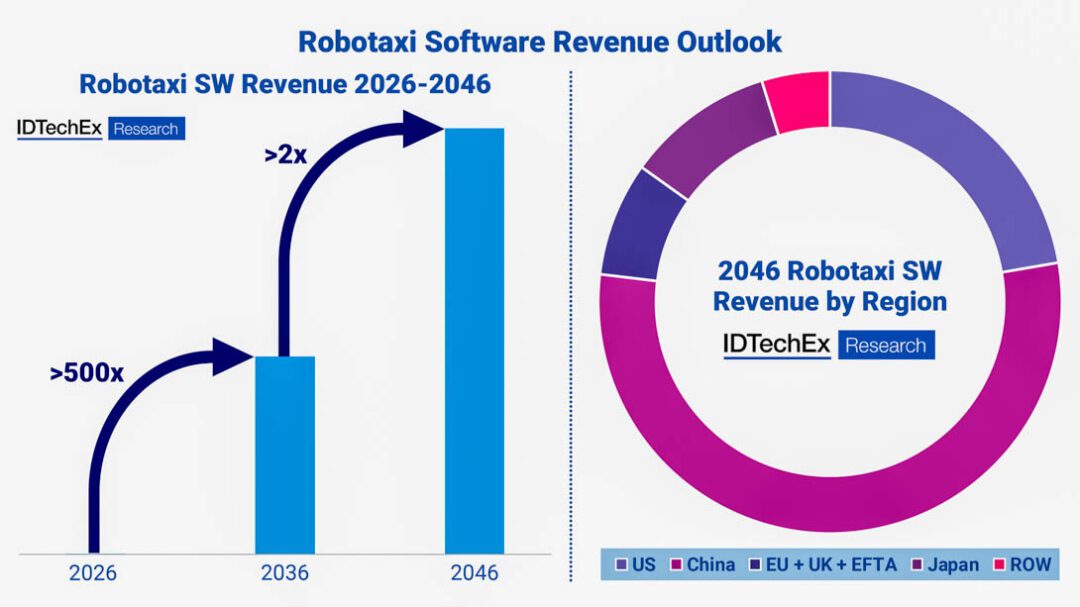
 The global race to dominate the robotaxi market is shifting into high gear this 2025, with major players rolling out autonomous vehicles that are transforming how cities move. According to a recent report by IDTechEx, software revenue from robotaxi services is projected to grow 1,000 times over the next two decades, signaling a seismic shift in urban mobility.
United States: A Fierce Arena of Innovation
In the U.S., Waymo continues to lead the charge, operating in cities like Phoenix, San Francisco, Los Angeles, Atlanta, and Austin. Its partnerships with Uber and Lyft—once considered rivals—are reshaping the ride-hailing landscape. Meanwhile, Tesla entered the robotaxi scene in June 2025, expanding its service area in Austin to 170 square miles. Byrte September, Tesla opened its rides to the public without onboard human supervisors, relying instead on remote operators.
New challengers are also making waves:
- Zoox launched a futuristic robotaxi with no steering wheel, pedals, or driver’s seat, built entirely for autonomous driving.
- May Mobility, in partnership with Lyft, began pilot operations using modified hybrid Toyota Sienna vans.
Following Cruise’s exit in late 2024, Waymo stood alone—until now. With new entrants and growing public interest, the U.S. is expected to contribute nearly 25% of global robotaxi software revenue by 2046.
China: The Giant Awakens
China’s robotaxi market is booming, led by Apollo Go, a division of tech giant Baidu. Operating in over 12 cities—including Beijing, Shanghai, and Shenzhen—Apollo Go runs a fleet of over 1,000 vehicles and plans to expand to Europe by 2026, targeting the UK and Germany.
Other major players include:
- Pony.ai and WeRide, each with hundreds of vehicles
- Rising stars like Momenta and Black Sesame, pushing the boundaries of autonomous tech
With such fierce competition, China is expected to dominate, accounting for over half of global robotaxi software revenue by 2046.
Europe: The Next Battleground
Europe is gearing up to become a key player, with companies like Wayve and Motor AI developing advanced autonomous systems. As Chinese firms eye expansion into European cities, the region could become a tech battleground for robotaxi supremacy.
Private Robotaxis: A New Frontier
In a bold move, AutoX introduced the world’s first private SAE Level 4 autonomous vehicle under the brand Tensor. While its commercial robotaxi service in China has ended, questions remain about how this private model will be priced, regulated, and adopted.
Why This Matters to the Philippines
While robotaxi services haven’t launched locally yet, the global momentum could eventually influence urban mobility in Metro Manila, Cebu, and Davao. As EV adoption grows and smart city initiatives expand, the Philippines may one day see its own version of autonomous transport—especially if global players begin exploring Southeast Asia.
For now, one thing is clear: the robotaxi revolution is no longer science fiction. It’s real, it’s fast-moving, and it’s reshaping the future of transportation.