
 The Philippine electric vehicle (EV) sector is no longer just catching up—it’s accelerating full throttle. At the pre-event press conference for the 13th Philippine Electric Vehicle Summit (PEVS), held in Bonifacio Global City, the Electric Vehicle Association of the Philippines (EVAP) reaffirmed its bold vision for a cleaner, smarter, and more inclusive mobility future.
EVAP President Edmund Araga emphasized that the time to shift to electric is now. 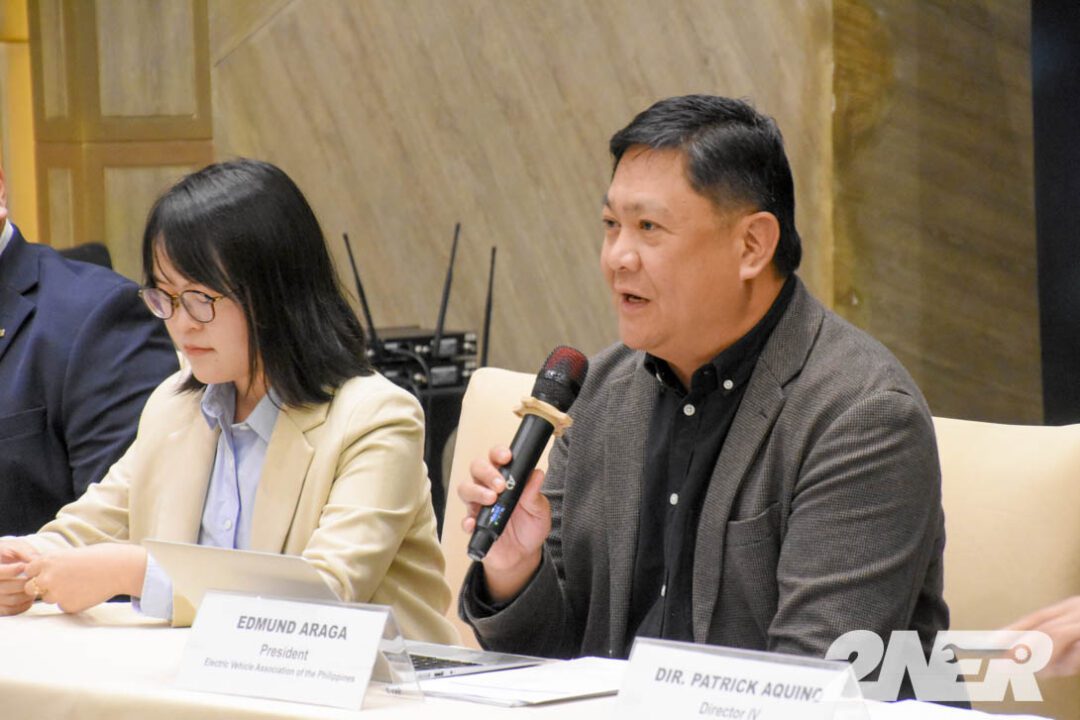
“There are more choices, more players, and more reasons than ever to go electric,” he said, citing rising fuel costs, supportive government policies, and a rapidly expanding EV ecosystem.
Sales Surge Signals a Turning Point
The numbers speak volumes. Sales of 4-wheeled EVs nearly tripled in 2024, jumping from 1,028 units in 2023 to 3,880 units—a staggering 277.5% increase, according to data from the Department of Energy and EVAP. Battery electric vehicles (BEVs) led the charge, accounting for 75% of sales, followed by hybrid electric vehicles (HEVs) at 23%, and plug-in hybrids (PHEVs) at 2%.
But the real shockwave came from the 2- and 3-wheeled EV segment, which exploded from just 172 units in 2023 to 43,441 units in 2024—a jaw-dropping 25,156% growth. The majority were Category L2 (standard 2-wheel EVs), proving that electric mobility is gaining traction not just in cars, but in everyday transport.
“The Philippine EV sector is gaining real momentum. With supportive policies, expanding infrastructure, and growing consumer interest, we’re seeing a shift from curiosity to commitment.
 The Department of Energy remains focused on enabling this transition, through initiatives to ensure that electric mobility becomes a practical, accessible, and sustainable choice for every Filipino.” — Director Patrick T. Aquino, Department of Energy
Charging Infrastructure Expands Nationwide
To match the surge in EV ownership, the country’s charging infrastructure is scaling rapidly. From just 300 stations in 2023, the number has grown to 992 in 2025, with a target of 7,300 stations by 2028 under the Comprehensive Roadmap for the Electric Vehicle Industry (CREVI). By 2040, the goal is 20,400 stations to support an estimated 2.5 million EVs on Philippine roads.
Metro Manila leads the way, with SM Supermalls hosting 69 public charging stations, followed by Ayala Malls with 31. Key cities like Cebu, Davao, Legazpi, Naga, and Sorsogon are also joining the grid, ensuring EV access beyond the capital.
Building the Future: Local Manufacturing and Policy Support
In a landmark move, President Ferdinand Marcos Jr. inaugurated the country’s first lithium battery factory in Tarlac last year. Operated by StB Giga Factory Inc, the facility positions the Philippines as a regional hub for clean energy storage and is expected to power up to 18,000 EVs annually by 2030.
Meanwhile, the Department of Trade and Industry (DTI) has proposed the Electric Vehicle Incentive Strategy (EVIS), which could generate ₱11.4 trillion in economic output and create 680,000 jobs in EV assembly, battery production, charging station installation, and maintenance. Anchored on the Electric Vehicle Development Act (EVIDA), EVIS is poised to supercharge the industry’s growth.
The Summit That Powers the Movement
This year’s PEVS, themed “Charge Ahead, Ignite the EVolution,” promises to be the biggest yet. From October 23 to 25 at the SMX Convention Center Manila, stakeholders, innovators, and the public will gather to explore the latest EV models, technologies, and partnerships shaping the future of mobility.
“The EV sector is unstoppable,” Araga declared. “This summit is not just a showcase—it’s a movement. Don’t get left behind.”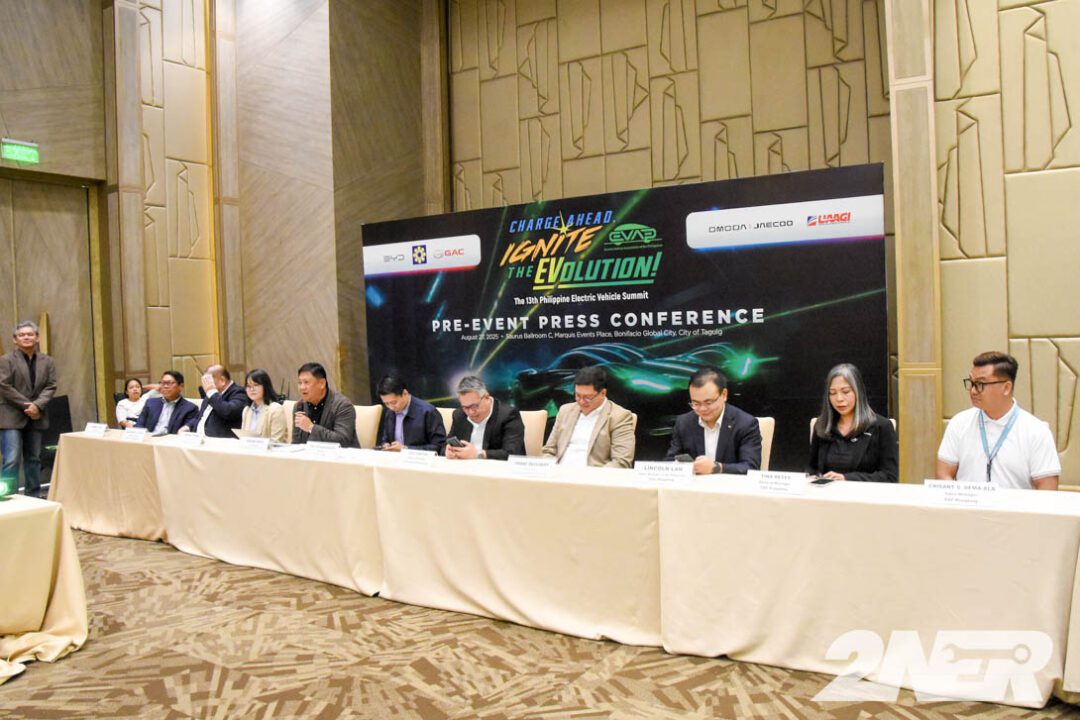
Learn more and register at: www.pevsummit.com