
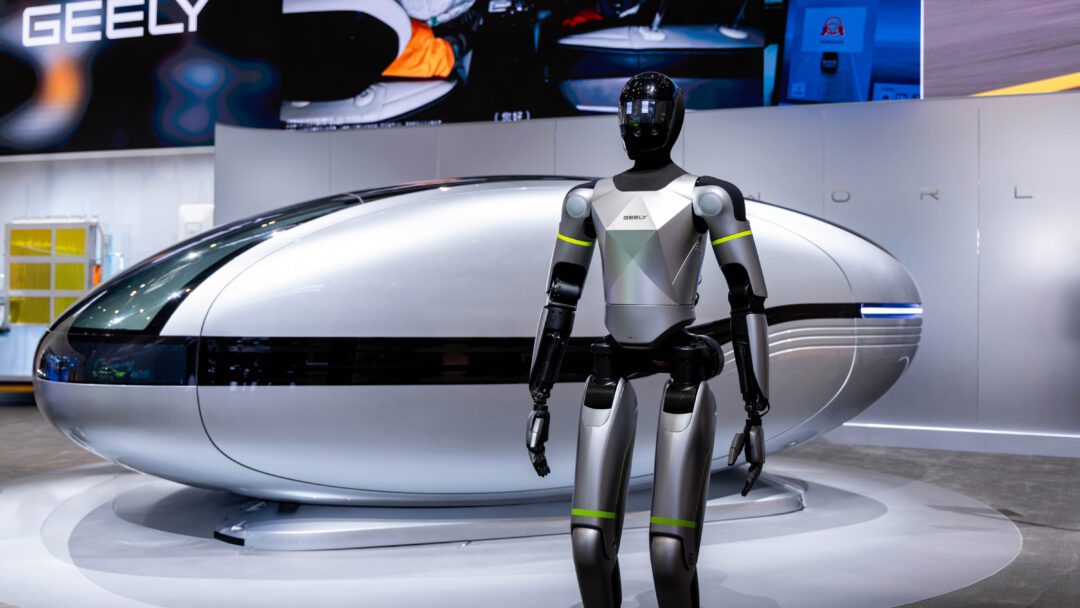
 Geely Auto Group’s showcase at Auto China 2026 wasn’t just about futuristic concepts for global markets. For Filipino dealers, bankers, and everyday car buyers, it was a preview of technologies that could soon reshape how we drive and commute in the Philippines.
At the center of the showcase was the Eva Cab Robotaxi — China’s first purpose‑built autonomous taxi. Unlike test cars adapted from existing models, this was engineered from the ground up for driverless operation. 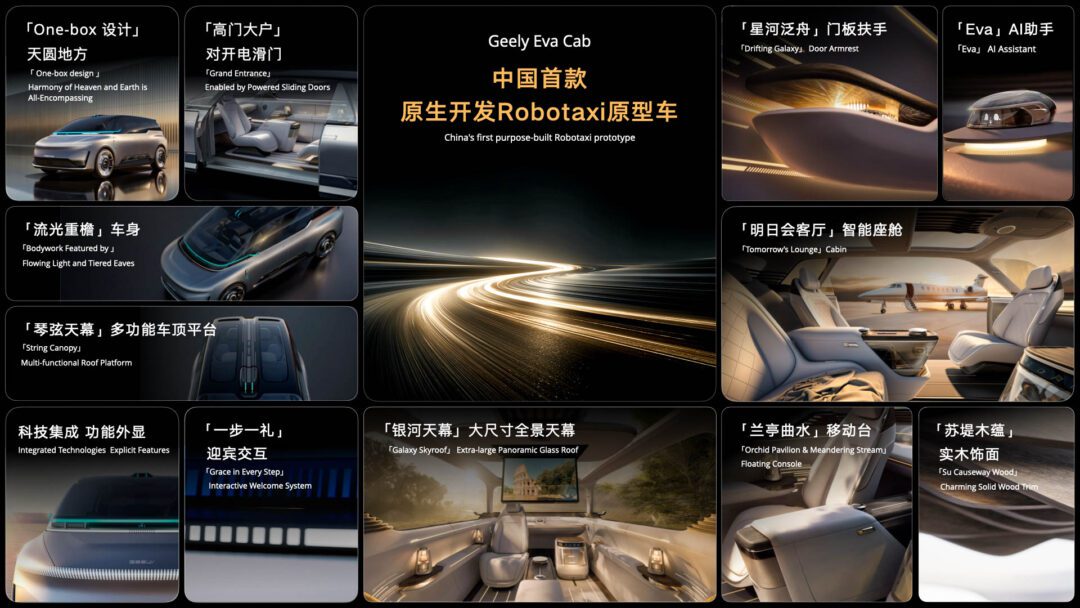
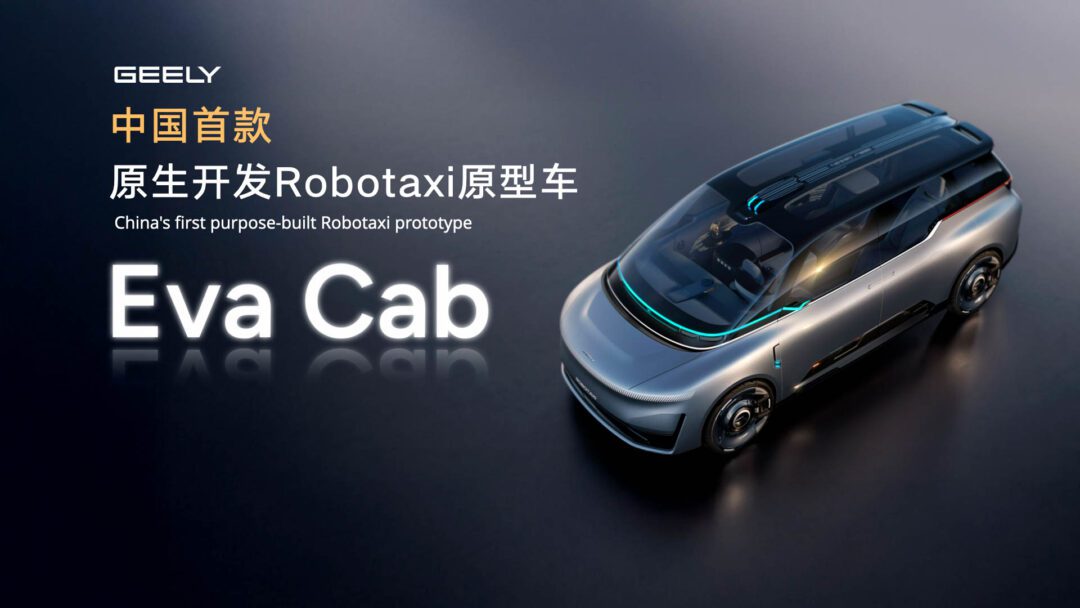 Running on Geely’s L4 AI digital architecture and the G‑ASD intelligent driving system (already certified in Europe), the Eva Cab is slated for mass production in 2027. For Filipinos, it hints at a future where ride‑hailing could mean safer, more efficient trips without a driver behind the wheel.
Equally relevant was Geely’s i‑HEV self‑charging hybrid. For local drivers, the appeal is simple: no need for charging stations. The system recharges its battery while driving and braking, making it practical in a country where EV infrastructure is still limited. With a Guinness‑verified fuel consumption record of just 2.22 liters per 100 km, and real‑world WLTC figures of 3.98 L/100 km in the Geely Preface sedan, it offers a clear path to lower fuel costs for Filipino families and commuters.
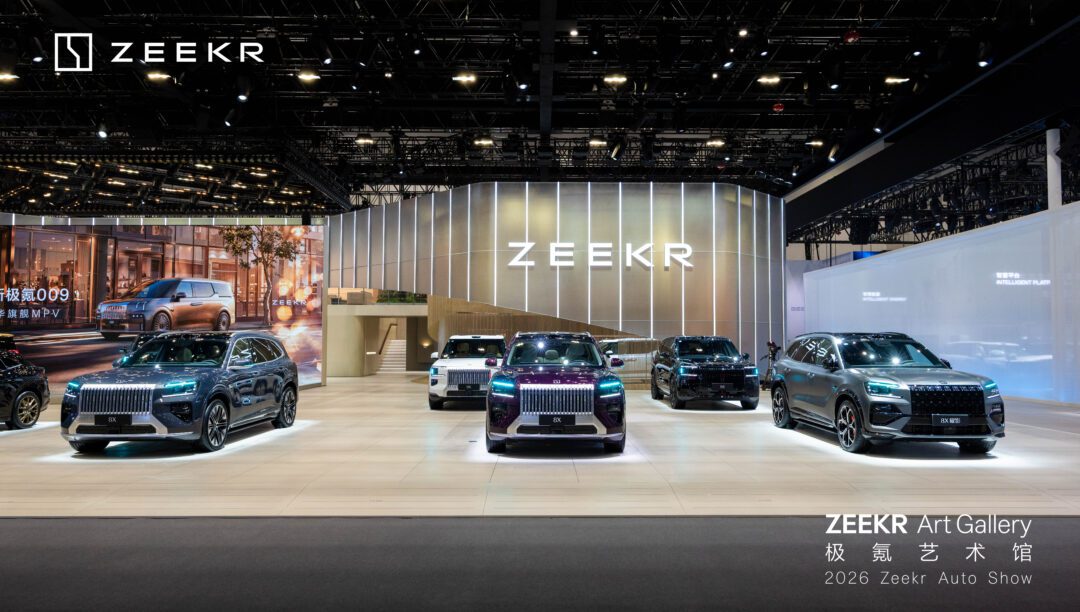
The showcase also featured future EVs across Geely’s brands: Zeekr’s flagship 009 intelligent MPV, Lynk & Co’s 10 EV, and Geely Galaxy’s concept lineup. Together, they reflect a pipeline of vehicles that span segments — from family cars to ride‑hailing fleets — all under the “One Geely” strategy.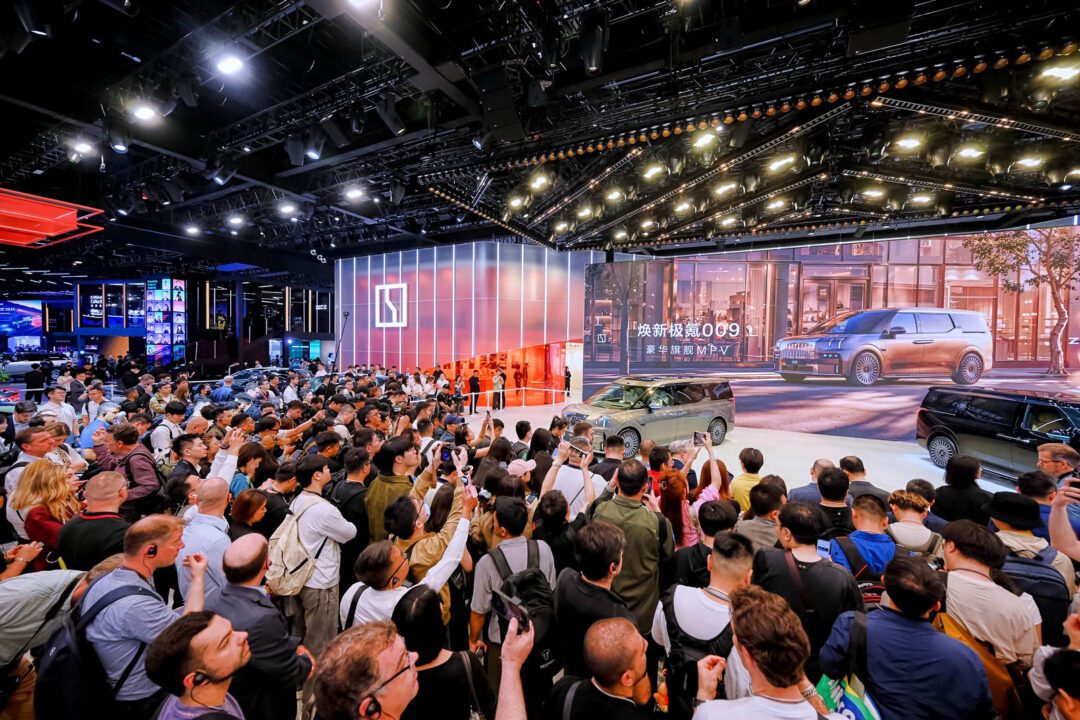
For Philippine dealer principals and banking executives, the trip to Beijing capped a wider immersion program that included Geely’s R&D sessions in Hangzhou and manufacturing tours in Ningbo. The takeaway was clear: Geely’s investment in autonomous mobility and hybrid efficiency isn’t just global marketing. It’s a roadmap that directly addresses Filipino realities — high fuel costs, limited charging infrastructure, and the growing demand for smarter, more efficient vehicles.
As Chuanhai Li, Geely Auto Group Vice President, put it: “We are fully committed to winning the market and future together with global partners.” For Geely Motor Philippines, that means bringing technologies like i‑HEV hybrids and future EVs into showrooms nationwide — giving Filipino buyers confidence that the brand’s innovations abroad are designed with local usability in mind.