
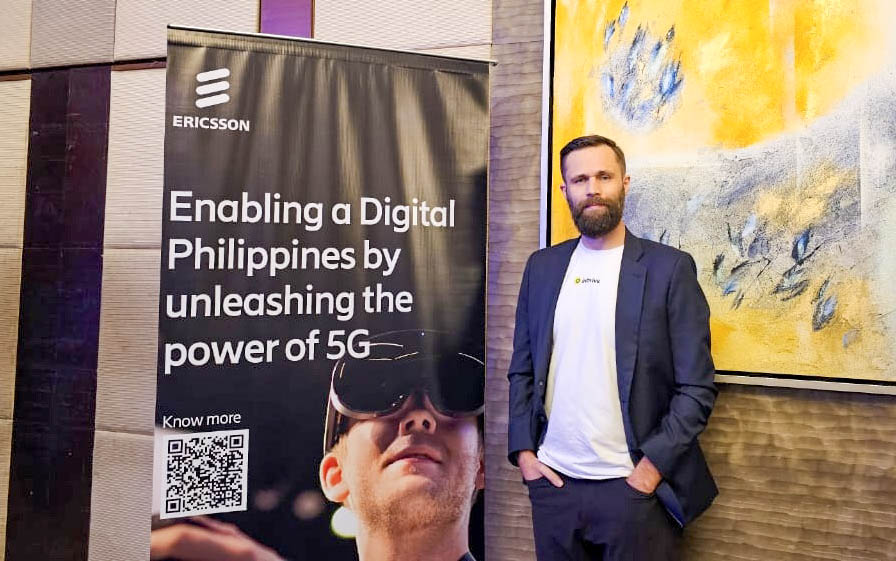
 Global ride-hailing platform inDrive has revealed that 5G technology is not just powering its app—but fueling its rapid growth across the Philippines. Speaking at a Joint Cybersecurity Working Group session hosted by Swedish telecom giant Ericsson, Mark Tolley, inDrive’s APAC Regional Director, emphasized how 5G is helping reshape the company’s operations, improve mobility, and support local economies.
“5G is essentially one of our twin engines,” said Tolley. “It’s what allows inDrive to deliver the kind of fast, flexible, and transparent experience our users expect. Without it, we wouldn’t be where we are today.”
5G: The Engine Behind inDrive’s Innovation
As the latest evolution in wireless communication, 5G offers faster speeds, lower latency, and higher capacity—making it ideal for powering real-time mobile services like ride-hailing. inDrive leverages these capabilities in several critical areas:
-
Smarter Maps and Routes: inDrive uses 5G to process real-time data and predictive analytics, allowing drivers to take the fastest, most fuel-efficient routes. The result? Shorter wait times, more accurate ETAs, and increased earnings for drivers.
-
Enhanced Peer-to-Peer Model: Unlike traditional ride-hailing apps, inDrive puts negotiation power in the hands of drivers and passengers. With 5G ensuring smooth communication and fast transactions, users enjoy seamless, low-lag interactions—even in busy areas like airports or provincial centers.
-
Upgraded Safety Features: inDrive’s Safety Center is also built on 5G infrastructure. Its Share Your Ride function lets users instantly send trip details to trusted contacts, while the in-app SOS button provides fast access to emergency services.
Partnering for Inclusive Growth
Beyond user experience, inDrive is investing in long-term partnerships to bring its services to underserved areas across the Philippines. The company is collaborating with the Department of Information and Communications Technology (DICT) to map out potential expansion zones where mobility remains a challenge.
“By bringing our model to these areas, we’re not just improving transportation—we’re supporting local economies,” Tolley said. “And by teaming up with local telcos, we can ensure our services are optimized for both urban and rural environments.”
inDrive is also exploring collaborations across the region, with active discussions underway in Nepal and Indonesia to further scale its peer-to-peer model.
A Nationwide Vision
Today, inDrive operates in major cities such as Metro Manila, Bacolod, Butuan, Cagayan De Oro, Baguio, Iloilo, and Cebu. But with the support of 5G and partnerships with local agencies and telecom providers, the company is laying the groundwork for a wider rollout across the archipelago.
“Our mission is to make fair and affordable rides available to more Filipinos,” Tolley concluded. “And with 5G, we’re more empowered than ever to deliver on that promise.”
For the latest updates on inDrive’s initiatives, visit www.inDrive.com.