
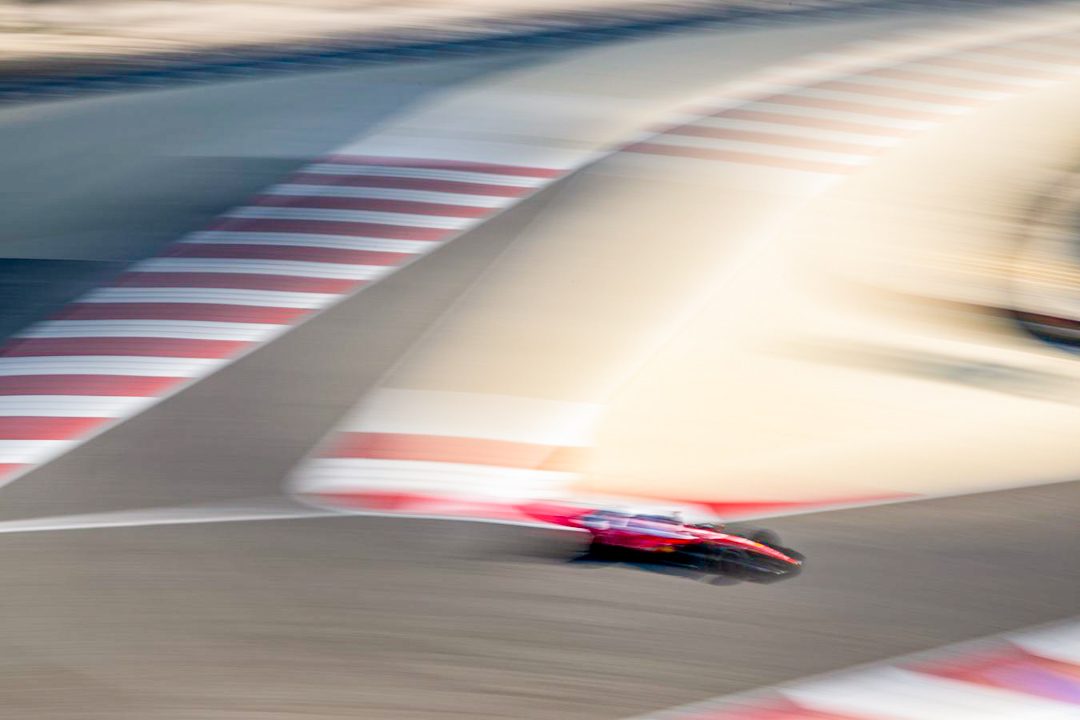
This weekend’s Australian Grand Prix at Albert Park isn’t just the first race of the year—it’s the start of a revolution in Formula 1. The 2026 season opener introduces the most radical technical changes in decades, reshaping power units, aerodynamics, chassis design, and energy management. For Scuderia Ferrari HP, Melbourne marks the beginning of a new cycle where adaptability, speed of learning, and reliability will be the keys to success.
The new rules shift the balance toward hybrid energy, with smarter management systems and simplified hybrid architecture. Aerodynamics now rely less on ground effect and more on mechanical grip, making pre‑season testing only a preview. The real benchmark begins here, on Melbourne’s fast and unforgiving street circuit.
Albert Park’s 5.278 km layout, with its blend of high‑speed straights and technical corners, will test the radically different 2026 cars in ways past data cannot predict. Overtaking opportunities at Turns 3 and 11 promise drama, while the tight walls leave no margin for error.
The weekend programme kicks off Friday with free practice, followed by qualifying on Saturday and the 58‑lap Grand Prix on Sunday. Team Principal Fred Vasseur captured Ferrari’s mindset: “Testing gave us valuable data, but Melbourne will be the first true test of competitiveness. At the start of a season full of unknowns, we approach with focus and humility.”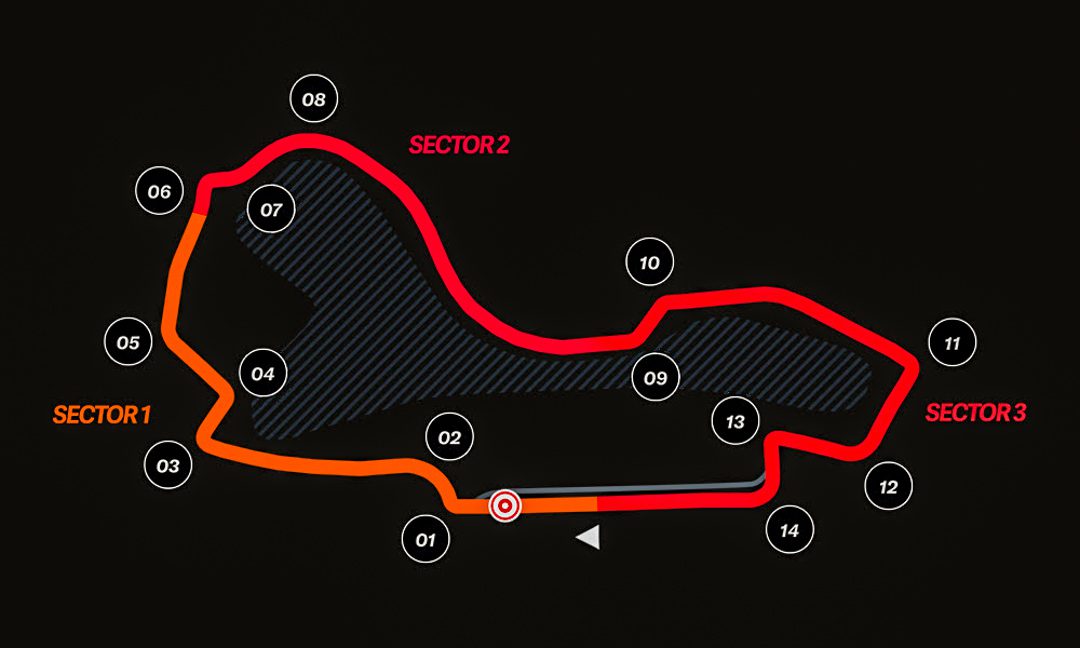
Ferrari arrives with a proud legacy—77 seasons, 248 wins, and 836 podiums—and a strong record in Australia, including 11 victories and 28 podiums. But this season is about more than history. It’s about mastering the new language of Formula 1: active aero, boost modes, overtake systems, simplified hybrids, and sustainable fuels.
As Melbourne welcomes the world once again, the city’s energy and character set the stage for Formula 1’s bold new era. For Ferrari HP, the season opener is more than just a race—it’s the first step in engineering change on and off the track.